DATA CENTERS / ENERGY & POWER
CLIENT CONFIDENTIAL
Standing up the owner's standard on a gigawatt-scale AI campus.
How an owner's-rep project manager, carrying Foundation Zero as working infrastructure, authors and holds one QA/QC and commissioning standard from construction through turnover.
Demonstrative case study. Anonymized and client confidential.
AT A GLANCE
CLIENT
A hyperscale energy developer
SECTOR
Data Centers / Energy & Power
ASSET TYPE
Gigawatt-scale AI data center campus
SERVICES
Owner's-rep PM, QA/QC and commissioning, obligation and compliance tracking
INFRASTRUCTURE
Foundation Zero, carried by the PM in the field
THE CHALLENGE
Announced capacity is not delivered capacity.
The AI cold war is won on power and facilities that show up on schedule, perform to spec, and meet or exceed the availability threshold, not on the size of the press release. On a campus this large, the risk compounds. Every upstream decision, handoff, and missed detail from before groundbreaking gets felt downstream by the execution team, who are now holding a deadline they never set. Notice to proceed was fashionably late. Design changes were left open, and they had to break ground anyway to keep the schedule.By the time construction is moving, that compounding pressure shows up three ways.
01
Fragmented quality.
Multiple EPCs ran the civil, electrical, and mechanical scopes. Each one ran its own QA to its own standard and self-certified its own work. No single owner-side commissioning authority sat above them to gate every scope against one definition of done.
02
No standard yet.
The owner's own QA/QC checklist, the standard the whole program should gate to, was still being authored, written by a quality team already underwater under schedule duress. That is exactly the kind of checklist that gets half-built and abandoned.
03
Surprises from outside the fence.
Late in the process a lender imposed compliance requirements the team had not planned for. Obligations buried in loan documents, the interconnection agreement, permits, and EPC contracts were being tracked by muscle memory, not by system. A missed notice or deadline on an asset this size is not a paperwork problem. It is a financing and schedule problem.
WHY IT CANNOT WAIT
The value of getting this right is front-loaded.
The first credible owner-side checklist that lands on a hyperscale build tends to become the program standard. Right now that slot is open, and whoever fills it sets the bar every EPC gates to for the life of the project.Once the power and cooling chain is energized, "build fast, fix later" turns dangerous and expensive. For an owner-developer-operator who keeps the asset, a defect that slips through is not a closeout headache. It is a 30-year operating liability and a breach of the availability guarantees written into the tenant's service level agreement (SLA).

HOW ZERO RFI WORKS IT
One project manager, one owner's standard, carried by Foundation Zero.
Zero RFI does not sell software, and we do not replace the owner's engineers or project management team. We deploy our own project manager alongside the owner's project management team, carrying Foundation Zero as their working infrastructure, and that PM owns the QA/QC, commissioning, and obligation and compliance tracking from construction through turnover. The PM makes every engineering judgment with the owner's team. Foundation Zero helps the team prepare for those judgments faster and more systematically, and makes sure nothing falls through the cracks.
AUTHOR
Author the owner's standard, once.
The PM stands up the owner-side QA/QC and commissioning checklist, pulled forward from a proven closeout and commissioning data model: inspection and test plans, pre-functional checklists, functional and integrated-systems test scripts, and a non-conformance discipline. Every EPC gates against one owner standard instead of self-certifying.
VERIFY
Verify, do not take their word.
An independent, owner-side commissioning read confirms the systems perform to spec before the owner accepts the asset, while the EPCs are still on the hook to fix what does not.
TRACK
Track every obligation to its source.
The team builds and maintains a living register of every commitment in the PPA, interconnection agreement, EPC contracts, loan documents, permits, and regulatory requirements. Each obligation is linked to its source clause, assigned to a named owner, tied to its trigger event, and tracked against its deadline. When a counterparty, lender, or regulator asks, the owner produces the chain of custody instead of scrambling for it.
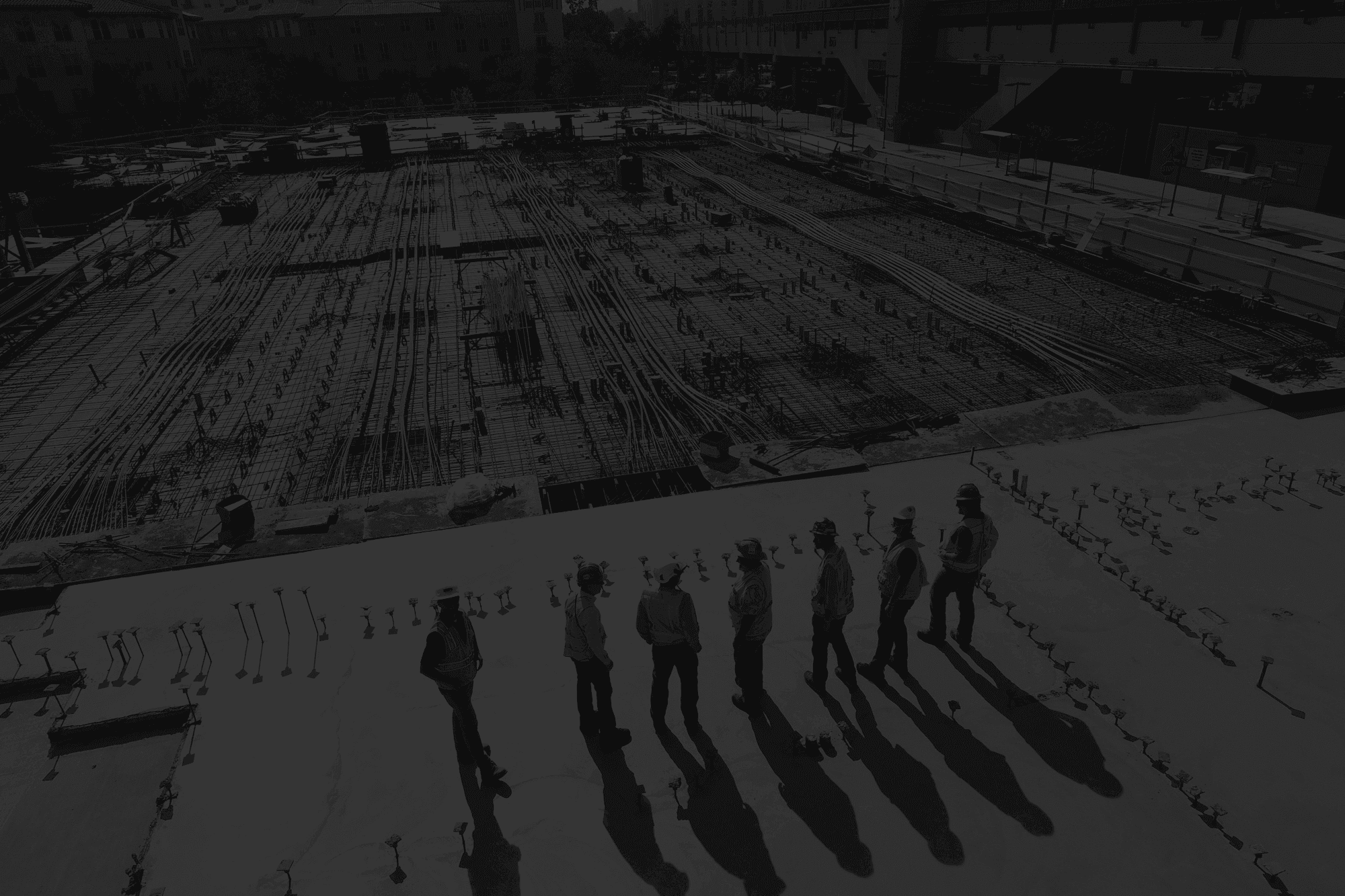
The PM makes every engineering judgment in the field, with the owner's team.
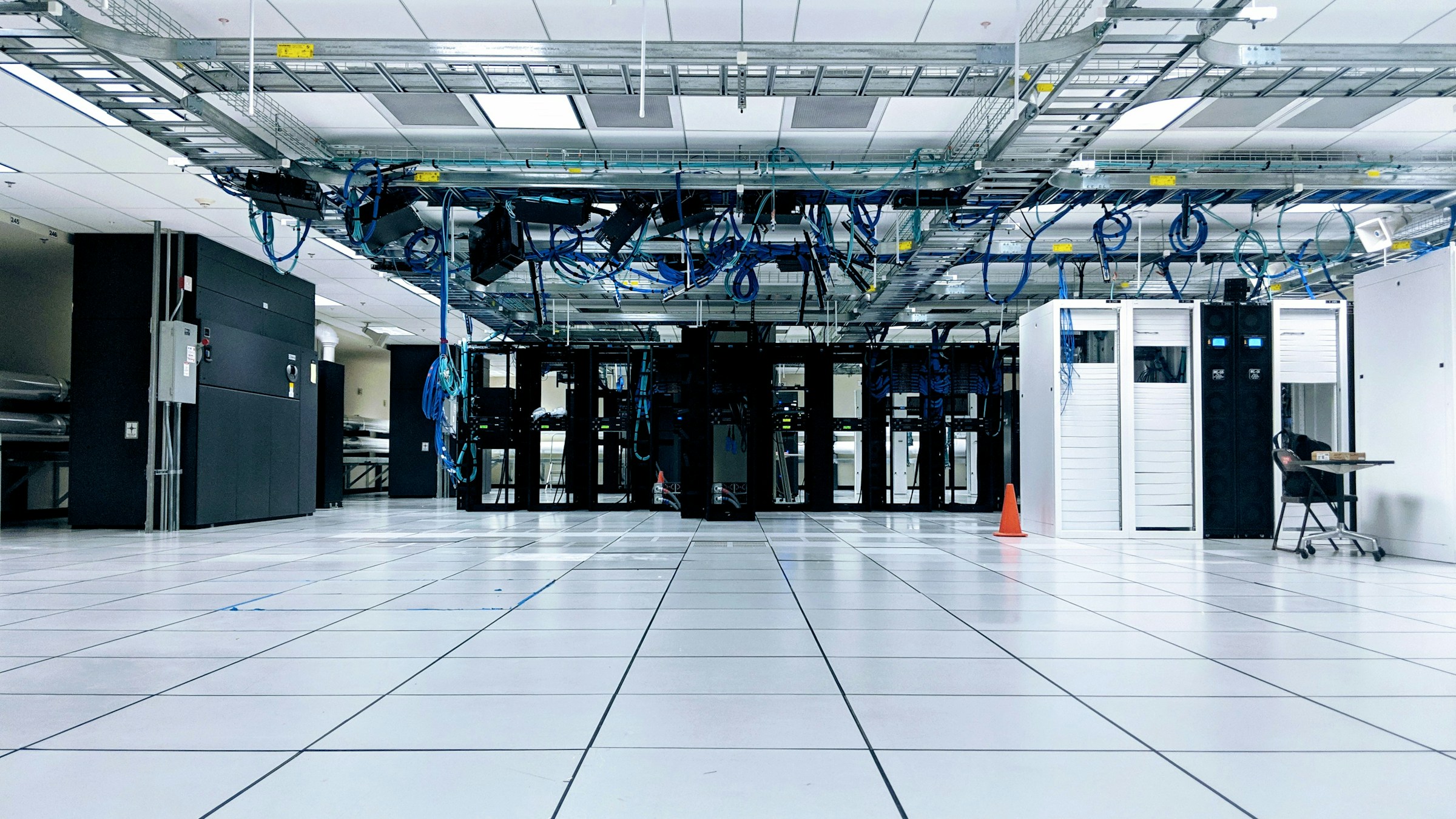
One definition of done gates every scope, from first pour to energized turnover.
WHERE FOUNDATION ZERO CHANGES THE MATH
A living standard, not a checklist frozen the day it was written.
114
submittals identified in a single pass
Foundation Zero reads and understands the plans, specs, contracts, and regulatory documents, then supports our people in the field by accelerating extraction, source citation, and updates as the project generates new documents.In a working demonstration, Foundation Zero read a complex project's plan and spec package and identified 114 submittals in a single pass, each classified by type, linked to its triggering milestone, and routed to the responsible subcontractor. The same approach reads PPAs, interconnection agreements, loan documents, and regulatory requirements.It is the difference between a static checklist frozen at the moment it was written and a living standard that reconciles every new document against the work still to be done.
WHAT IT DELIVERS
What the approach leaves the owner holding.
Not results we claim to have delivered on this asset. This is what the owner's-standard approach is built to deliver on a campus like this one.
One owner-side QA/QC and commissioning standard that every EPC is held accountable to, instead of each contractor certifying its own work.
An independent commissioning record that verifies performance before the owner accepts the asset.
A living obligation register with full source citation and audit trail, so lender, regulator, and counterparty deadlines are scheduled, not remembered.
A turnover package that starts on day one instead of being reconstructed at the end, and a structured record for facilities, operations, and maintenance teams.
Lessons learned captured in real time, not recalled at the end of a milestone or project, and rolled into the next project or portfolio strategy immediately, regardless of who is on the next team.
WHY ZERO RFI
The project manager is the product.
They are the expert in the loop, accountable for every deliverable. Foundation Zero is the infrastructure that lets them move faster and miss less. Several members of our team have delivered utility-scale energy and mission-critical projects for years.What we leave behind is not a tool running in the background. It is the owner's standard, the record that proves the asset was built to it, and a discipline that compounds across the portfolio.
EXPLORE MORE
Foundation Zero
The project-native AI that turns scattered drawings, specs, and communications into one queryable project model.
Owner's Representation
An owner's-rep PM who authors the standard, verifies performance, and tracks every obligation from first dollar to full lifecycle.
Data Centers & Mission Critical
Owner-side project intelligence for power, cooling, and mission-critical infrastructure moving at hyperscale speed.
Demonstrative case study. The client is anonymized and confidential, and no client, contractor, lender, or location is named. This piece illustrates the Zero RFI approach on a hyperscale AI data center build. It does not report results delivered on a specific engagement. The 114-submittal figure reflects a working demonstration of Foundation Zero.